
| Feature | Specification |
| Operating Weight | 22,950 kg (50,600 lbs) |
| Engine Model | Cat C9.3B |
| Net Power | 161 kW (215 hp) |
| Ground Pressure | 33.0 kPa (4.8 psi) |
| Blade Capacity (VPAT) | 4.4 $m^3$ (5.8 $yd^3$) |
| Fuel Tank Capacity | 341 L (90 gal) |
Next-Gen Powertrain Choice: In 2019, Cat offered two distinct flavors of the D6. The D6 XE featured an Electric Drive system (constant power to the ground), while the standard D6 utilized a 4-Speed Fully Automatic transmission. The automatic shifts seamlessly between gears, keeping the engine in its “sweet spot” and improving fuel efficiency by up to 20%.
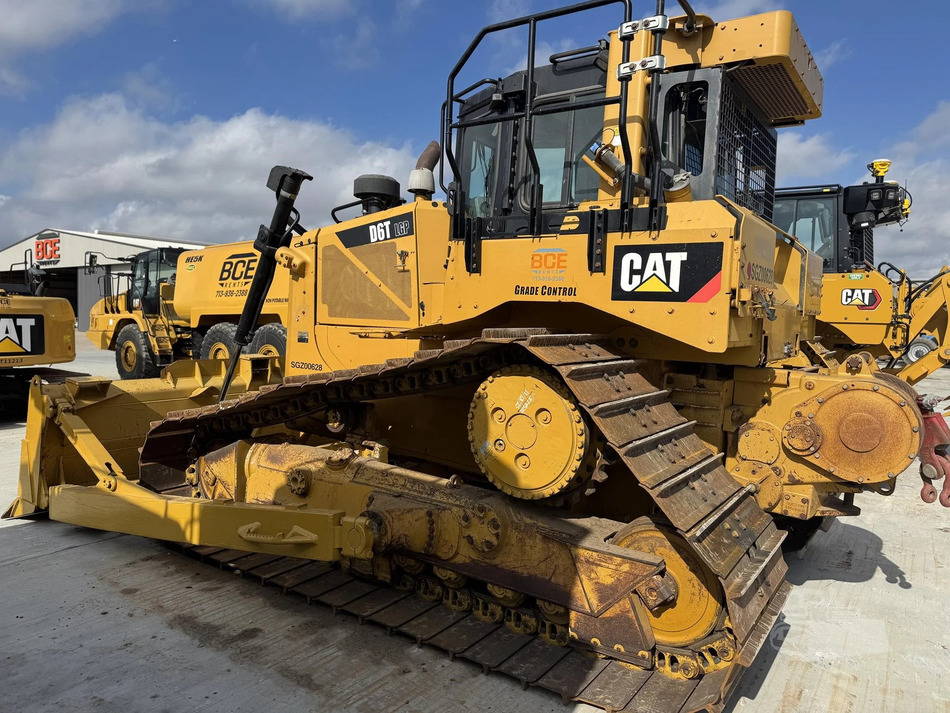
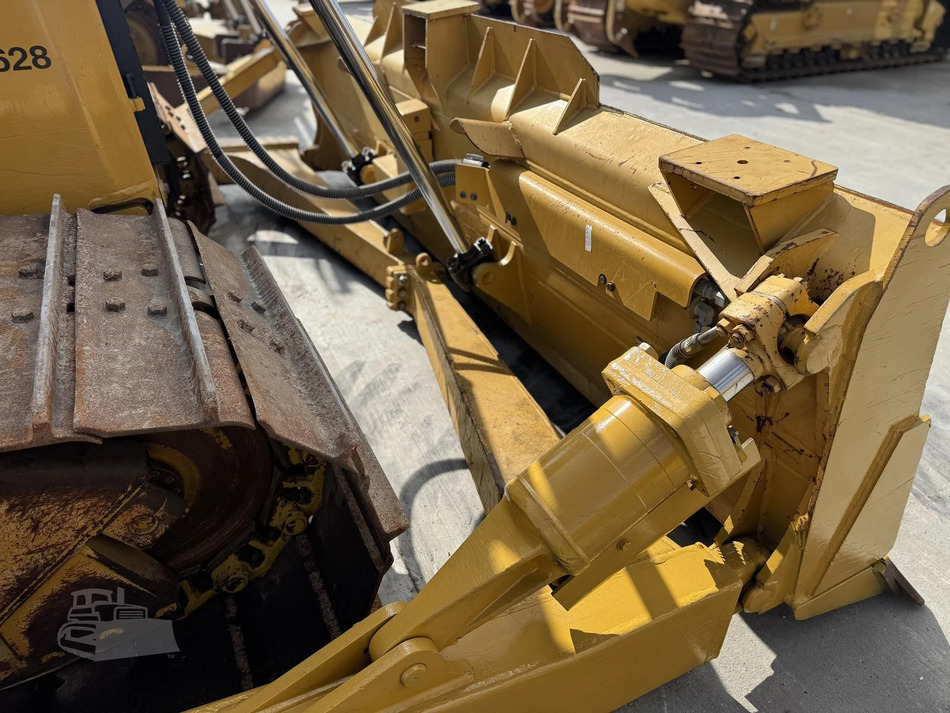
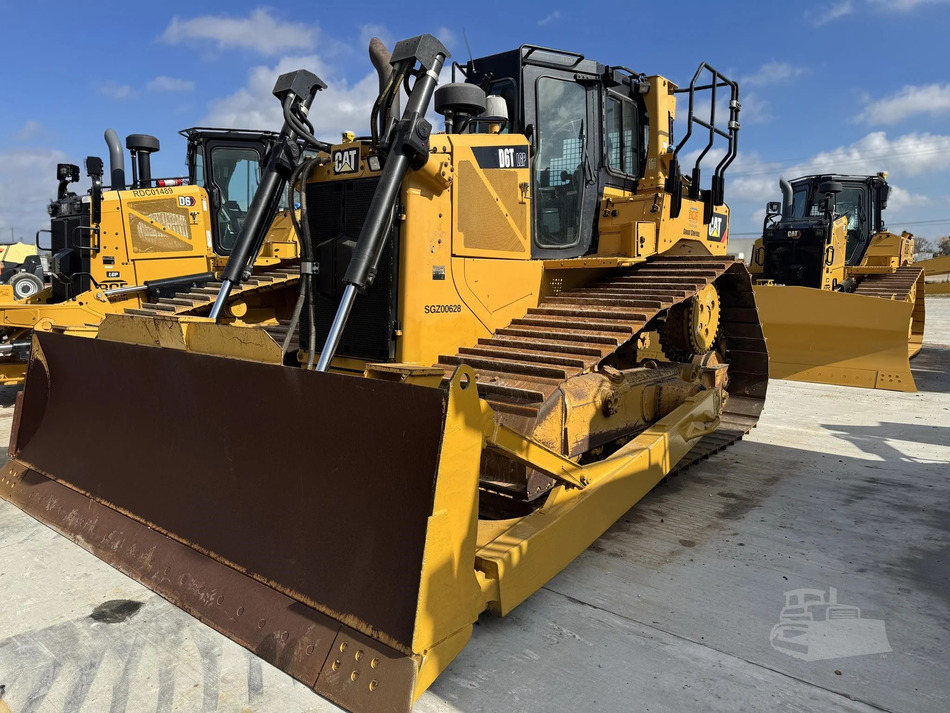
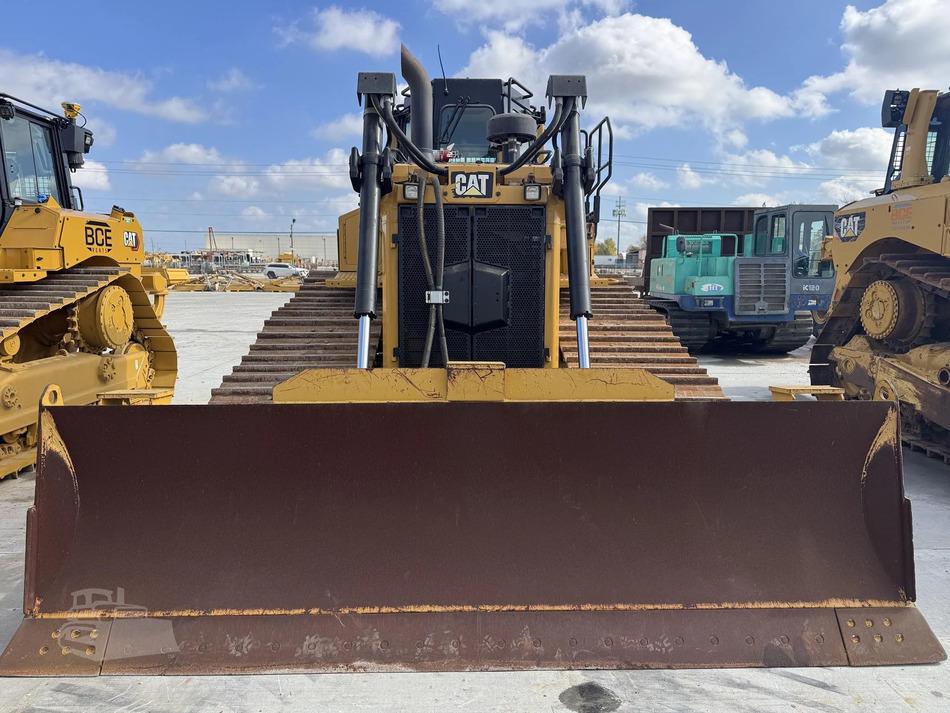
VPAT Blade Versatility: The LGP model is frequently paired with a Variable Pitch Angle Tilt (VPAT) blade. This allows the operator to hydraulically adjust blade pitch, angle, and tilt simultaneously, making it as capable at fine finishing as it is at heavy pioneering.
Cat GRADE with 3D: This was the era where “smart” dozers became the standard. The 2019 D6 came with dual GNSS antennas integrated into the cab roof (removing the masts from the blade). The system automatically moves the blade to follow the digital site plan, ensuring centimeter-level accuracy.
Slope Assist & Stable Blade: For operators not using full 3D GPS, these “lite” tech features help maintain blade mainfall and cross-slope automatically. Stable Blade senses ground irregularities and makes micro-adjustments to the blade to prevent “washboarding” during high-speed grading.
LGP “Flotation” Undercarriage: The LGP version features wide track shoes (typically 760mm/30in or wider) and a wider stance. This reduces ground pressure significantly, allowing the 20-plus ton machine to work on soft marshes or finish-grade topsoil without leaving deep ruts.
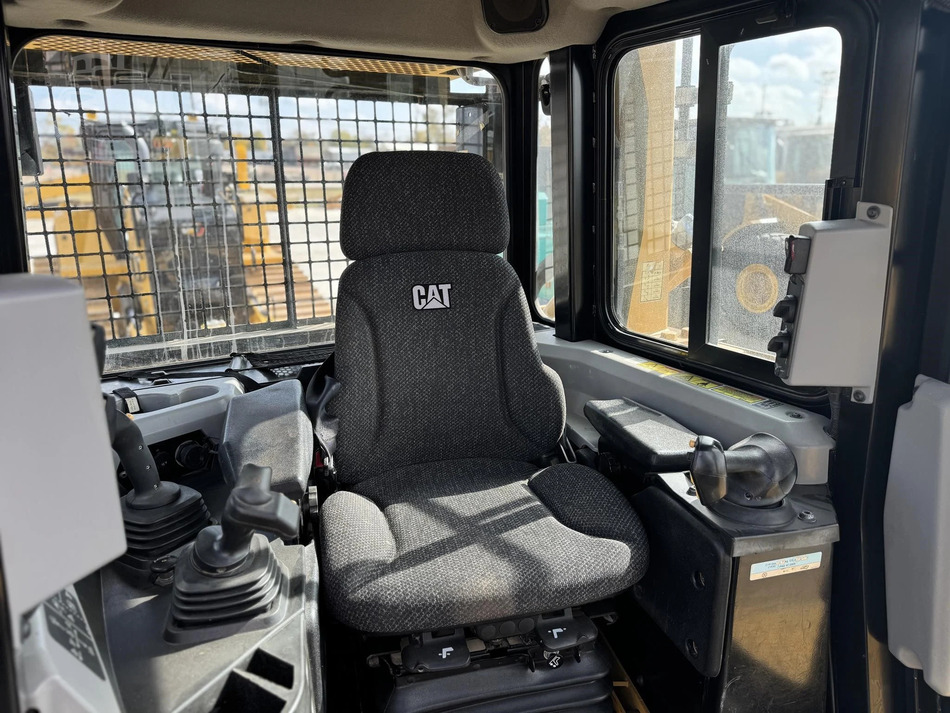
Redesigned “Vision” Cab: The 2019 model introduced a completely new cab with integrated Roll-Over Protective Structure (ROPS). It features significantly more glass area and a tapered hood, giving the operator an industry-leading view of the blade corners and the surrounding jobsite.
10-Inch Touchscreen Interface: The cab moved away from buttons toward a high-resolution touchscreen. It functions like a tablet, allowing operators to save “application profiles” for different soil types or different operators.
Application-Specific Undercarriage: Owners could choose between Heavy Duty Extended Life (HDXL) tracks for abrasive rock or Cat Abrasion tracks for high-speed, low-impact sandy work, allowing for lower cost-per-hour based on the specific terrain.
Remote Troubleshoot & Flash: This was one of the first dozers to allow dealers to perform diagnostic testing and software updates remotely via cellular signal, drastically reducing the need for a technician to drive out to the jobsite.
Modular Design: Cat improved serviceability by making major components (engine, transmission, final drives) more modular. If a component fails, it can be swapped out quickly to get the machine back to work while the part is repaired off-site.
Fill in the form below and one of our team members will get back to you as soon as possible.